
Let’s be real for a second, PCOS has become really common, and many women are dealing with quietly. You probably know at least one woman dealing with it, maybe it’s even you. The crazy thing? Food plays a much bigger role than people think. This isn’t eat healthy because it’s good for you advice. Your meals literally shape how your hormones behave. And trust me, your body responds.
PCOS and insulin resistance often show up together and make your body work harder. Most women with PCOS don’t respond well to insulin, so the pancreas keeps pumping out more. Insulin’s job is simple — grab the sugar from your blood and push it into your cells for energy. But when insulin stays high for too long?
When insulin stays high for too long, you may notice things like,
Hair thinning
Weight the belly that feels difficult to lose
Surprise pimples even when you’re eating clean
Missing or irregular periods
Constant hunger
Why Your Diet Matters in PCOS
Let me go off for a sec:
Everything loops back to insulin. PCOS often makes your body more sensitive to what you eat, especially carbs and sugar.
Sugary, carb-heavy foods spike your cravings, worsen your breakouts, and leave your periods even more chaotic. Eating too much refined food can affect your mood, skin, and energy levels.
But a balanced plate fiber, protein, healthy fats keeps your energy steady and your mood less all over the place. Add colorful veggies, ginger, turmeric, and greens and you’ll notice less bloating, clearer skin, and clothes fitting better.
And please forget crash diets from Instagram. If you can’t stick to the food next week, it’s not the diet for you.
Best Foods for a PCOS Diet
Fiber: Your Daily Lifesaver
Oats, daliya, brown rice, millets, quinoa, apples, berries, guava, and greens. These slow down sugar spikes, keep you full, and stop late-night munchies.
Pro tip: Add chia or flax seeds to breakfast, try multi-grain chapati, and fill half your plate with veggies.
Protein: Keeps You Full, Keeps You Sane
Veg or non-veg – doesn’t matter. Tofu, paneer, chickpeas, eggs, fish – just aim for a palm-sized amount each meal. It keeps cravings low and energy steady.
Bonus:
Dal + sprouts – the fiber + protein duo your body loves.
Healthy Fats: Don’t Fear Them
Avocado, nuts, seeds, olive oil, mustard oil.
Sprinkle seeds on almost everything skin, hair, and hormones love this stuff.
Spices That Fight Inflammation
Turmeric, ginger, cinnamon – use them daily.
Start your morning with ginger-lemon water or add a pinch of turmeric to meals. It really helps.
Low-GI Carbs Only
Stick to jowar, ragi, brown rice, and sweet potato.
Bananas and mangoes aren’t banned – just moderation, please. Keep carbs to one-quarter of your plate.
Take Care of Your Gut
Curd, buttermilk, homemade idli/dosa batter, kimchi, coconut yogurt, and peanut curd – these help digestion and hormones.
If dairy causes breakouts or bloating, it’s totally okay to reduce or avoid it.
Don’t Ignore Vitamins & Minerals
Vitamin D: sunlight + eggs
Iron + Vitamin C: spinach + jaggery + lemon
Magnesium + Zinc: nuts and seeds
Your hormones literally need these nutrients to function.
Foods to Avoid in PCOS
White bread, bakery items, pizza bases
Sodas, artificial juices, sugary coffee drinks
Fried snacks like samosa, chips
Processed spreads like margarine or frosting
Nuggets, sausages, salami
Heavy sweets (fine occasionally, but not a daily habit)
Foods to Limit
For some people, full-fat dairy can cause bloating or acne. Go plant milk (almond, oat, whatever) or just stick to a dab of curd.
Red meat is okay once in a while, but choose leaner options like chicken, fish, and dal more often.
High-GI fruits?
- Full-fat dairy (if it triggers acne or bloating)
- Red meat
- High-GI fruits like mango or banana are fine in small portions.
Large servings of bananas, mangoes, sapota, or white potatoes can spike insulin.
Try balancing them – apple with peanut butter, or banana with a tsp of nut butter works wonders.
And About Caffeine
Very sager coffees are better to avoid because thy can spike cravings.
Too much caffeine ruins sleep and worsens cravings.
Coffee itself is fine – just:
keep it to 1–2 cups
avoid sugar
don’t drink it late at night
Gluten?
Not everyone needs to avoid it. But if you feel weird, heavy, or breakout-y after bread/pasta, try switching to millets like jowar, bajra, ragi, quinoa, and oats. Some people simply function better on these.
Ready-To-Use PCOS Food Ideas
Breakfast
- Oats or daliya with chia/flax + fruit
- Besan chilla with chutney
- Sprout chaat
- Veg idli or uthappam
- Eggs with multigrain toast
Snacks
- Roasted chana
- Makhana
- Nuts & seeds
- Cucumber + hummus
- Green tea with apple or guava
- Yogurt with flax seeds
Lunch / Dinner
- Jowar/bajra/ragi roti
- Quinoa or brown rice
- Dal, rajma, chole, sprouts
- Vegetables – half the plate
- Paneer, tofu, chicken, or fish
Condiments
Turmeric, cumin, ginger, garlic, olive/mustard/groundnut oil.
Hydration
8–10 glasses of water, lemon water, cucumber water — simple but effective.
A Simple PCOS-Friendly Daily Routine
- Eat breakfast within 1–2 hours of waking
- Lunch after 4–5 hours
- Evening snack after 3–4 hours
- Dinner at least 3 hours before bed
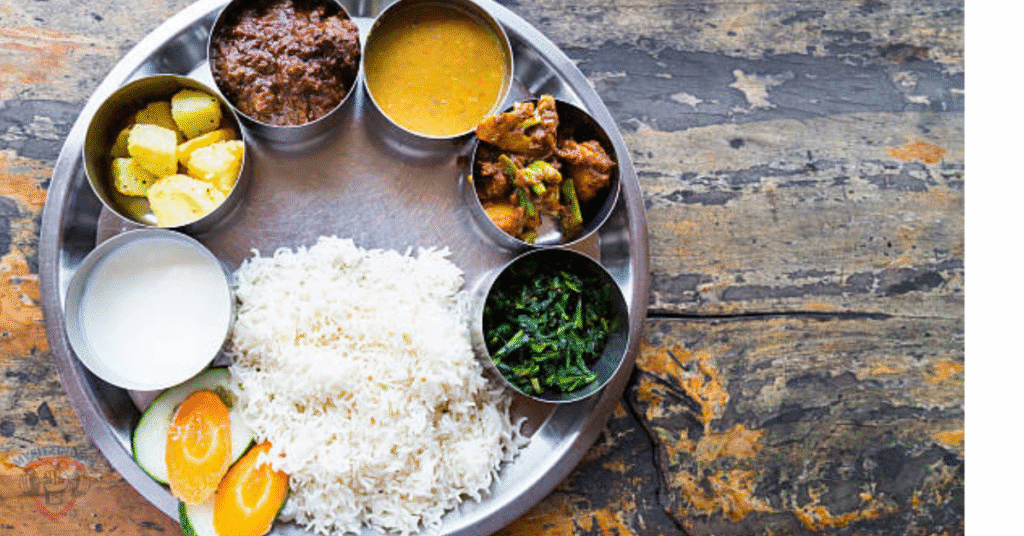
Your Plate
- 50% veggies
- 25% protein
- 25% whole grains/millets
- 1–2 tsp healthy fat
Craving sweets? Try fruit + peanut butter or a couple of squares of dark chocolate.
One-Day PCOS Meal Plan (Example)
Breakfast: oats + chia + apple
Snack: green tea + almonds
Lunch: 2 jowar rotis + dal + okra + salad
Snack: roasted chana/makhana
Dinner: grilled chicken/fish or tofu + quinoa + salad
Before bed: turmeric-ginger tea
FAQs — Quick Answers
Q1. Can you eat fruit with PCOS?
Absolutely. Stick to low-GI fruits. Mangoes/bananas are allowed just keep the portion reasonable.
Q2. Is dairy banned?
Not really. If it causes acne or bloating, reduce it or switch to plant milk.
Q3. Treat meals or occasional treats?
Yes, but in small amounts. Enjoy and move on. If you enjoy treat, just get back to your routine at the next meal. No guilt.
There you go. Eat well, don’t stress, and please enjoy your food—it’s not supposed to be torture.
Final Note
Eat real food, keep it consistent, avoid the internet gimmicks, and give your body time – small, steady habits really help your hormones. Your body will respond slowly at first, then all at once.
Pingback: PCOS - Causes, Symptoms, Treatment, Diet & Lifestyle Guide